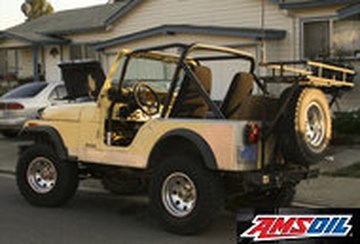
Maintaining Lubrication Standards for the 1980 Jeep CJ-5 2.5L
Proper engine care for a vehicle like the 1980 Jeep CJ-5 requires a consistent approach to fluid maintenance and mechanical inspections. Because this vehicle utilizes a 2.5L engine, ensuring that the internal components receive the correct type of lubrication is a fundamental aspect of long-term ownership. Maintaining an organized service routine helps in identifying potential issues before they escalate into more significant mechanical concerns.Monitoring Fluid Integrity and Potential Seepage
A primary component of routine maintenance involves regular visual inspections of the engine bay. For an owner of a 1980 Jeep CJ-5, checking for signs of fluid seepage is a practical way to monitor the condition of various seals and gaskets. Rather than assuming a component is failing, it is more effective to look for fresh wetness or staining around sealing surfaces during every service interval. When performing these inspections, pay close attention to the areas where the engine meets the transmission and other major components. If any evidence of leakage is found, it warrants further investigation to determine if the source is a simple gasket or a different component. Additionally, checking the appearance of the oil itself can be informative. While oil naturally darkens over time due to use, an extremely sudden change in color or consistency may indicate that something else has entered the lubrication system.Observing Indicators of Engine Stress
While many mechanical issues are not immediately apparent, certain symptoms can serve as early indicators that the engine requires attention. It is important to remember that a single symptom can have multiple underlying causes, so observations should be treated as prompts for investigation rather than definitive diagnoses. For example, if you notice an unusual odor during or after operation, it may indicate that lubricant is contacting a hot surface. Similarly, any changes in how the engine sounds during startup or steady operation should be noted. If the vehicle exhibits different mechanical noises than usual, this can be associated with various factors ranging from lubrication levels to accessory drive components. Monitoring these subtle changes allows for a more proactive approach to maintenance, helping to address concerns while they are still manageable.Prioritizing Maintenance Based on Current Condition
As vehicles age, the most effective way to manage upkeep is to prioritize tasks based on the actual condition of the machine rather than relying solely on chronological age. For a 1980 Jeep CJ-5, this means establishing a maintenance baseline if the previous service history is unknown. By performing a thorough inspection and documenting the current state of all fluids and major components, an owner can create a reliable roadmap for future care. When managing an older engine, focus on these key areas:- Reviewing Service History: If available, look for records of previous repairs or fluid changes to understand the vehicle's maintenance patterns.
- Addressing Active Concerns: If any leaks or unusual noises are identified during a routine check, these should be addressed before moving on to purely preventive tasks.
- Monitoring Fluid Consumption: Keep track of whether the engine requires more frequent top-offs of its lubricants, as this can provide insight into the internal state of the engine.
- Inspecting Aging Materials: If equipped, check the condition of rubber components such as hoses or belts for signs of cracking, glazing, or fraying.
Managing Engine Lubrication Requirements
The 2.5L engine in this Jeep relies on high-quality lubrication to manage friction and heat during operation. While modern lubricants offer various formulations, including conventional, synthetic blends, and full synthetics, the choice of oil should always be guided by the specific requirements of the application. Some owners may consider high-mileage oil formulations, which often contain additives intended for use in aging engines. These formulations sometimes include seal-conditioning additives that may assist in maintaining the integrity of older seals. However, the most important factor is ensuring the lubricant meets the necessary performance standards for the engine's design. Maintaining clean lubrication also helps in managing the buildup of deposits and sludge, which can occur over long periods of operation if oil is not changed according to a regular schedule.Practical Steps for Long-Term Ownership
Successful long-term ownership of a 1980 Jeep CJ-5 involves more than just occasional repairs; it requires a disciplined approach to record-keeping. Documenting every oil change, filter replacement, and mechanical repair provides a clear history that can be invaluable if the vehicle is ever sold or when seeking advice from a professional technician. Establishing this baseline of information helps in identifying trends. For instance, if you notice that certain components require more frequent attention over several years, your records will help you determine if this is a developing pattern. This data-driven approach to maintenance moves away from guesswork and toward a structured system of care that respects the mechanical realities of an older vehicle.Buying Engine Oil for the 1980 Jeep CJ-5 2.5L
When it is time to replenish your engine's lubricant, the most critical step is to match the product to the specific requirements of your engine. Do not rely on general automotive knowledge or assumptions based on the vehicle's age to select a grade. Instead, always refer to the application-specific oil viscosity and information provided on this webpage. Before completing your purchase, follow these practical guidelines:- Verify Viscosity: Match the engine oil to the application-specific viscosity information shown above on this page.
- Check Product Labels: Ensure the container clearly states the specifications and that it meets the necessary quality standards for your engine.
- Consider Formulations: Depending on your specific needs and the condition of your engine, you may choose between conventional, synthetic blend, or full synthetic options, provided they align with the application information listed here.
- Confirm Certification: Always check that the oil carries the appropriate modern API certification to ensure it provides the necessary protection for current operating standards.